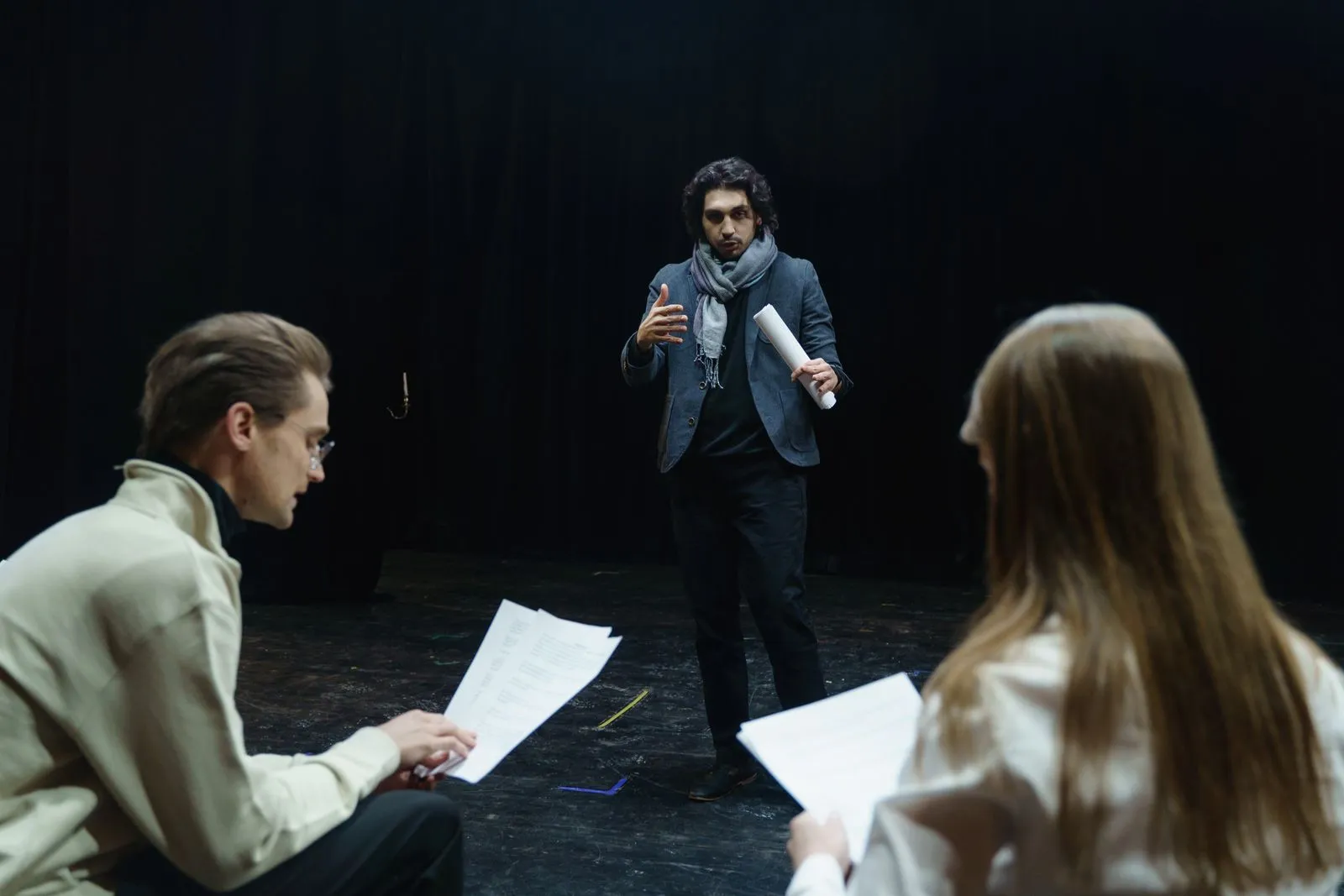
A classical monologue can feel challenging because its language, rhythm, and setting may be unfamiliar. Preparation makes the speech specific and playable. Start with a speech that suits your age, voice, and experience. Then learn what is happening around it and decide what you want from the person you address. These steps help you move beyond reciting lines and create a performance with clear intention. You do not need to imitate a grand style; you need to make the words matter.
Choose a Speech That Fits
Look for a speech you understand emotionally, not just one with famous lines. Consider the speaker’s age, circumstances, and relationship with the listener. Choose language you can speak comfortably and a situation you can imagine. If the speech includes intense emotion, make sure you can connect to its stakes without forcing a dramatic display.
Read the full play before settling on an excerpt. A speech may sound compelling on its own but depend on events or relationships that are difficult to convey without context. Check the length and any audition requirements, including whether the selection must come from a particular period or playwright. Keep a second option in case your first choice does not fit the assignment.
Understand the Context
Identify what has just happened, what the speaker wants, and what could change if they succeed or fail. Note who is present, where the scene takes place, and what each person knows. These details give the speech a clear situation. If you are missing information, read the surrounding scenes instead of guessing from the excerpt alone.
Translate unfamiliar words and references, but keep the original text intact unless your teacher or audition instructions say otherwise. Mark shifts in thought, questions, images, and changes in address. For verse, notice the line breaks and rhythm without treating them as rules that override meaning. Let the thought guide the phrase, and test where a pause helps the listener follow the idea.
Build Playable Choices
Decide who you are speaking to and what you want from them right now. Choose an active verb for each beat, such as persuade, warn, challenge, or comfort. When your tactic changes, mark the shift. These choices give you something concrete to do with the speech and keep the performance from settling into one general mood.
Select a few physical and vocal choices that support the situation. You might change your focus when addressing a new person or adjust your pace as your argument becomes urgent. Keep gestures purposeful and avoid adding movement just to fill space. Rehearse more than one version of a beat, then keep the choice that makes the text easiest to understand and the objective clearest.
Rehearse for Clarity
Learn the words well enough to listen and respond rather than search for the next line. Speak the monologue aloud, record a run-through, and listen for rushed phrases, swallowed endings, or unclear thought changes. Practice consonants and breath without pushing your voice. If a line feels hard to say, check its meaning and syntax before repeating it faster.
Run the speech with a listener, even if they do not know the play. Ask what they understood about the situation and what you were trying to achieve. Use their response to refine unclear moments, not to add extra explanation. Before presenting, take a moment to establish the place, the other person, and your immediate objective. Begin when the thought is ready, and let the language carry the performance.
A strong classical monologue starts with a suitable speech and grows through careful reading, specific objectives, and steady rehearsal. Keep returning to what the speaker wants and how each thought changes the approach. For structured practice and feedback, Jackson Stage School can help you develop a clear, grounded performance.